The Complete Guide to Buying a Home in Bethlehem, PA
@thebuyinghomebethlehemspace
Bethlehem, Pennsylvania, sits at a rare intersection of deep history and modern convenience. For someone considering buying a home in Bethlehem, the city offers a mix of colonial-era streets, thriving arts districts, and a housing market that has drawn attention from first-time buyers and empty nesters alike. I have walked these neighborhoods, talked with local agents, and sat through enough settlement meetings to know that the process here carries its own rhythm and quirks. Let me walk you through what actually matters when you start looking.
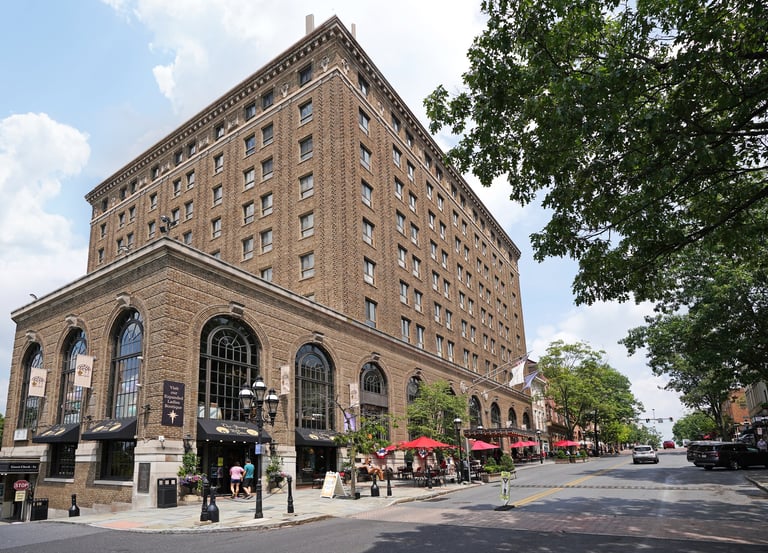
The first thing to understand is that Bethlehem is not a uniform market. The historic downtown, with its Moravian buildings and brick sidewalks, attracts people who want to walk to coffee shops and hear church bells. The South Side, anchored by Lehigh University, feels younger and more energetic, with student rentals mixing with renovated row homes. Out in the West Ward and beyond, you find larger single-family homes on tree-lined streets, often with driveways and yards that are rare closer to the center. Each area prices differently and turns over at a different pace. Knowing which zone fits your lifestyle will save you weeks of looking at the wrong places.
Understanding the Local Market
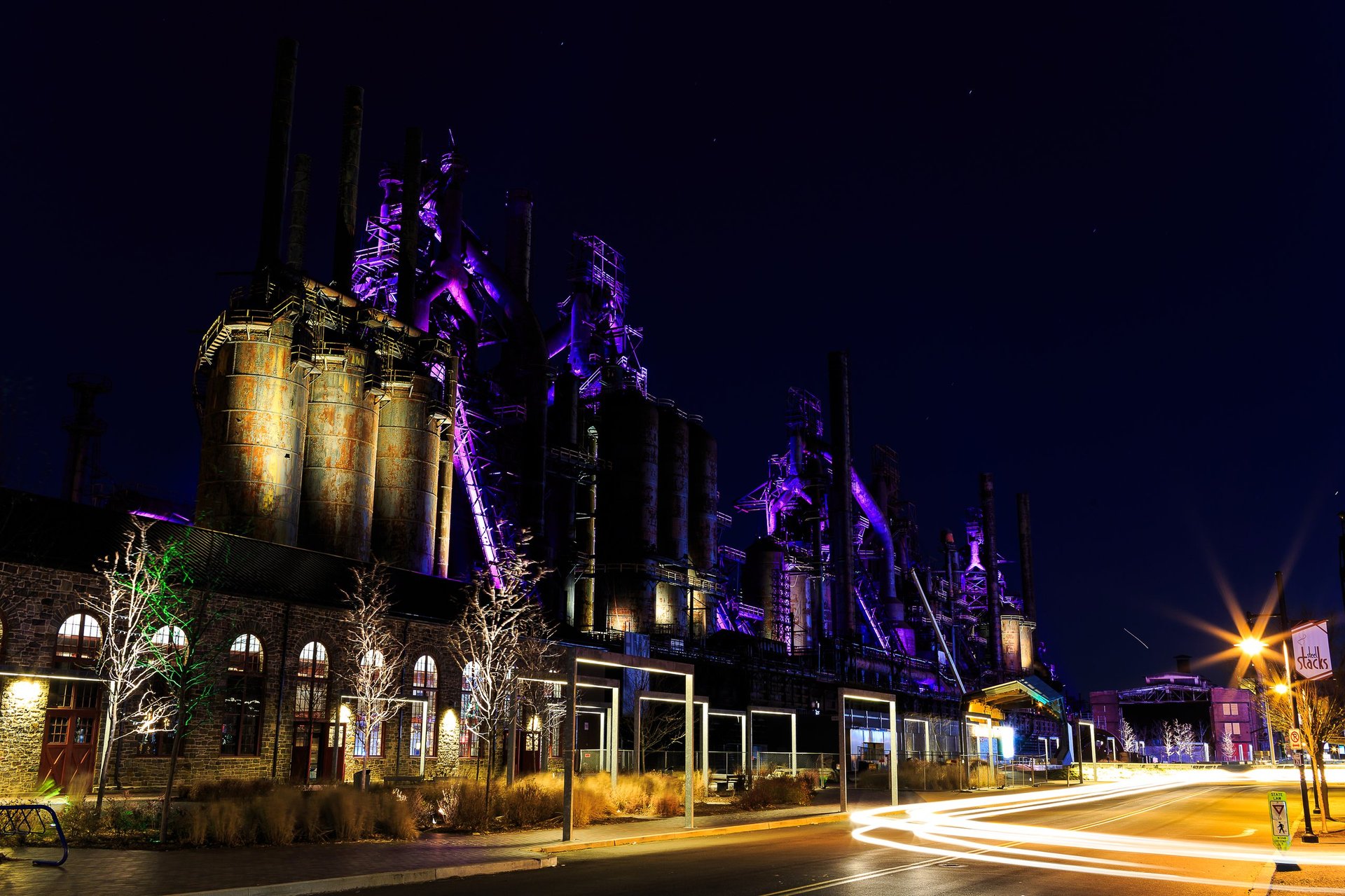
Home prices in Bethlehem have climbed steadily over the past decade, but they still sit below the national average for metro areas with similar amenities. You can find a well-maintained three-bedroom colonial in the West Ward for around $250,000 to $300,000, while a similar home in the historic district might run $50,000 higher. Condos and townhouses in converted industrial buildings along the Lehigh River start in the low $200s. The market moves fast in spring and early summer, so you need your financing lined up before you start touring seriously.
Property taxes in Northampton County are moderate, but they vary by school district. Bethlehem Area School District covers most of the city, and its reputation is solid. If you are buying a home in Bethlehem with children, the school catchment area should factor into your search. Some streets that look identical on paper feed into different elementary schools, and that difference can affect resale value down the road.
Financing and Pre-Approval
Before you fall in love with a Greek Revival on Market Street, get pre-approved by a local lender. Bethlehem has a handful of community banks and credit unions that understand the local appraisal quirks. National lenders sometimes struggle with the unique housing stock here, especially older homes with plaster walls and updated electrical systems that don't match modern cookie-cutter standards. A local loan officer can help you navigate conventional, FHA, and USDA loans, the latter of which applies to some outlying parts of the city that still qualify as rural for lending purposes.
Down payment assistance programs exist in Pennsylvania, and Bethlehem is part of several county and state initiatives. If you are a first-time buyer, you might qualify for grants or low-interest second mortgages that cover part of the down payment. The city also has a homebuyer education course that takes about six hours online. Completing it can unlock better terms on certain loan products. It is worth the time.
The Search and Offer Process
When you start touring homes, bring a notebook and a camera. The details blur after the third house. Pay attention to the age of the roof, the condition of the windows, and the type of heating system. Many homes in Bethlehem still use oil or propane, and converting to natural gas can cost several thousand dollars. If the house has baseboard hot water heat, that system is usually reliable but expensive to repair if the boiler fails. Get a home inspection from someone who has worked on 19th-century structures. A standard inspector might miss issues with balloon framing or knob-and-tube wiring that are common in pre-1940 houses.
Making an offer in this market often means competing with other buyers. Sellers in Bethlehem expect a pre-approval letter with the offer, and many prefer a shorter inspection period, typically seven to ten days. If you can pay cash, you will have an edge, but most transactions here are financed. Work with an agent who knows the local appraisers and can price your offer realistically. Overpaying in a bidding war can lead to an appraisal gap that forces you to bring extra cash to closing.
Navigating Inspections and Repairs
A thorough inspection is non-negotiable. Older homes in Bethlehem can hide problems that would bankrupt a first-time buyer. I have seen lead paint in window wells, ungrounded outlets in basements, and oil tanks buried in backyards that nobody remembered until the title search. A good inspector will flag these items, and a good agent will help you negotiate credits or price reductions without killing the deal. Expect to spend $400 to $600 for a general inspection, and consider separate inspections for the roof and the HVAC system if the house is older than 50 years.
Radon is a concern in parts of the Lehigh Valley. Some neighborhoods in Bethlehem test above the EPA action level. A radon test costs around $150 and takes two days. If the result comes back high, you can install a mitigation system for about $1,000. Most sellers will agree to address it as a condition of sale. Do not skip this test, especially for homes with basements or slab foundations.
Closing and Moving In
Closing in Pennsylvania typically takes 30 to 45 days from accepted offer. The title company will search for liens, easements, and unpaid taxes. Bethlehem has a transfer tax of about 1% of the sale price, split between buyer and seller unless otherwise negotiated. Your agent should walk you through the closing disclosure at least three days before settlement. Bring a cashier's check or wire the funds. Personal checks are not accepted.
After you close, plan for the move by scheduling utility transfers early. Bethlehem's utility landscape includes PPL for electricity, UGI for natural gas in some parts, and the Bethlehem Water Authority for water. Trash and recycling are handled by the city, and you can arrange for bulky item pickup through the public works department. If you are buying a home in Bethlehem and moving from out of state, give yourself two weeks to get everything set up. The city offices are efficient but busy, especially in late summer when Lehigh University students return and rental turnover peaks.
Final Thoughts on Living Here
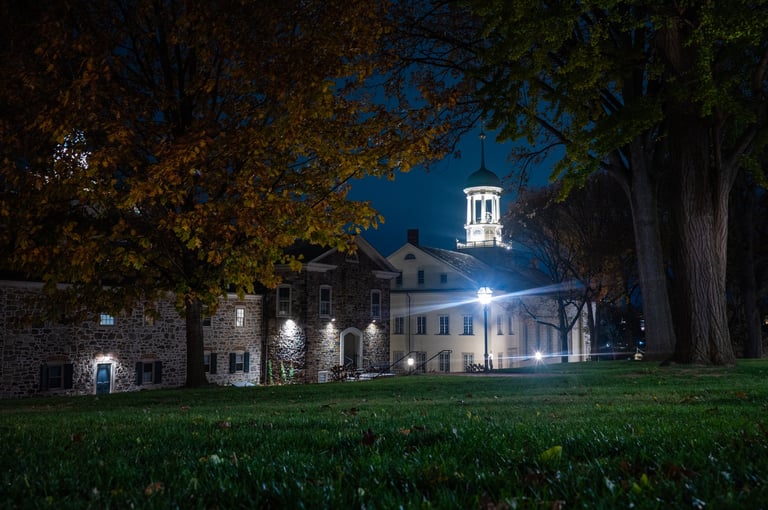
Bethlehem rewards patience and preparation. The city has a genuine community feel that you don't find in newer suburbs. Neighbors talk to each other. Local businesses survive because residents support them. The housing market reflects that character, with homes that have stories and quirks, not just floor plans. If you take the time to understand the neighborhoods, secure your financing early, and work with people who know the local terrain, the process of buying a home in Bethlehem can be straightforward. It is a place where a well-chosen house becomes part of your life, not just an investment.